


Modern manufacturing runs on relationships, not factories alone. A product may carry one company’s logo, but the real work often spans design teams, component specialists, systems integrators, logistics partners, and plants across several countries. In the ongoing discussion around OEM Vs. Tier 1 Manufacturing, companies such as Beyonics help show why this distinction matters. It affects speed to market, quality control, cost structure, and the strength of the supply base behind every finished product.
Global production networks have grown far more layered than the old image of a single company making everything under one roof. Today, value is created in stages and spread across borders. One business may define the product architecture and customer promise, while another develops critical modules, manages sub-suppliers, and keeps production flowing to exact schedules. That shared structure can create efficiency and scale, but it also raises the stakes for coordination, visibility, and risk management.
The Difference Starts With Responsibility
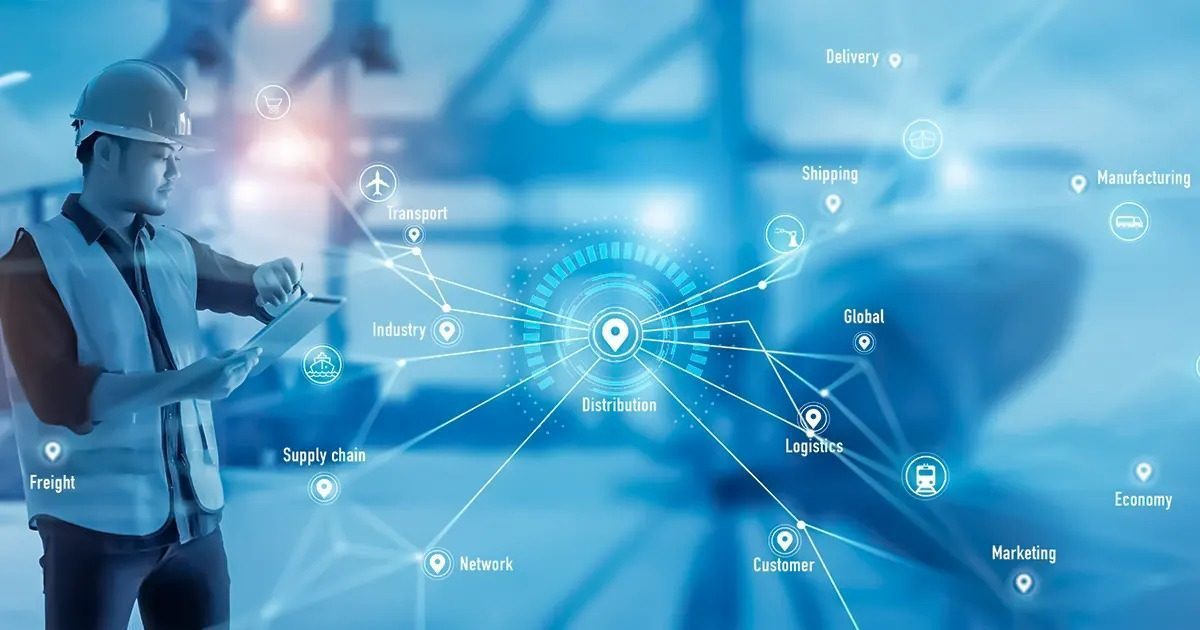
An OEM usually sets the commercial direction of the product. It owns the brand, the customer specification, the market positioning, and the final accountability for performance in the field. In many sectors, the OEM also controls the larger product roadmap, decides which platforms to expand, and defines the standards suppliers must meet. Even when the OEM does not make every part itself, it still shapes the rules that guide the full production system.
A Tier 1 manufacturer operates closer to the factory floor and the launch schedule. Tier 1 suppliers deliver finished assemblies or systems directly to the OEM and often carry major responsibility for engineering execution, process stability, supplier coordination, and delivery performance. In practical terms, that means the Tier 1 partner is rarely a simple vendor. It is a direct operating partner that turns design intent into repeatable production. In sectors built around modular sourcing, this role helps OEMs reduce complexity, though it also creates dependency on a smaller set of highly capable suppliers.
Product Development Is Shaped Early, Not at the End
The strongest production networks are built long before a line reaches full output. OEMs define what the product must do, what regulations it must satisfy, and what price range the market can accept. Tier 1 partners then pressure-test those goals against manufacturing reality. They refine tolerances, material choices, process flow, testing steps, tooling assumptions, and supplier readiness. That early collaboration has a direct effect on launch timing and defect rates once volume production begins.
This early handoff matters because manufacturability is rarely a minor detail. A design that looks strong in a prototype phase can become expensive, slow, or unstable at scale if the supplier base is not aligned. Direct manufacturing partners help close that gap. They bring process knowledge, feedback from the shop floor, and a working view of what sub-tier suppliers can realistically deliver across regions. When that loop starts early, OEMs gain faster industrialization and fewer surprises at launch.
Global Networks Depend on Layered Specialization

The logic behind global production networks is specialization. OECD work on global value and supply chains notes that standard trade measures often miss where value is truly created and shared across borders. That matters because a finished product can include design from one country, electronics from another, precision tooling from a third, and final assembly in a market closer to the customer. The network works because each layer contributes a different capability.
Tiered manufacturing fits neatly into that structure. Direct suppliers handle modules and systems that must connect cleanly with final assembly. Lower-tier suppliers provide parts, materials, subcomponents, and process inputs that feed those modules. The model is common in automotive, yet the same logic appears across electronics, industrial equipment, medtech, and advanced industrial manufacturing. The reason is simple. It lets companies combine specialized know-how with geographic reach, instead of forcing every capability into one organization or one location.
Quality and Delivery Are Won in the Handoff
Production networks succeed or fail at the points where responsibilities meet. A direct supplier may deliver a complete assembly, but the OEM still depends on flawless alignment in quality systems, engineering changes, test protocols, packaging, traceability, and delivery timing. In high-volume manufacturing, small errors do not stay small for long. One unstable process, one late shipment, or one undocumented change can ripple across lines, plants, and customer commitments in a matter of hours.
That is why top OEMs place heavy emphasis on formal supplier requirements and disciplined process control. In automotive, for example, OEM-specific requirements and the IATF framework show how seriously the industry treats quality management, sub-tier development, and production validation. The lesson extends beyond cars. Global networks need common operating language, clear escalation paths, and proof that quality can hold under mass production conditions. Without that, scale becomes fragile.
Resilience Has Changed the Rules of Supplier Strategy
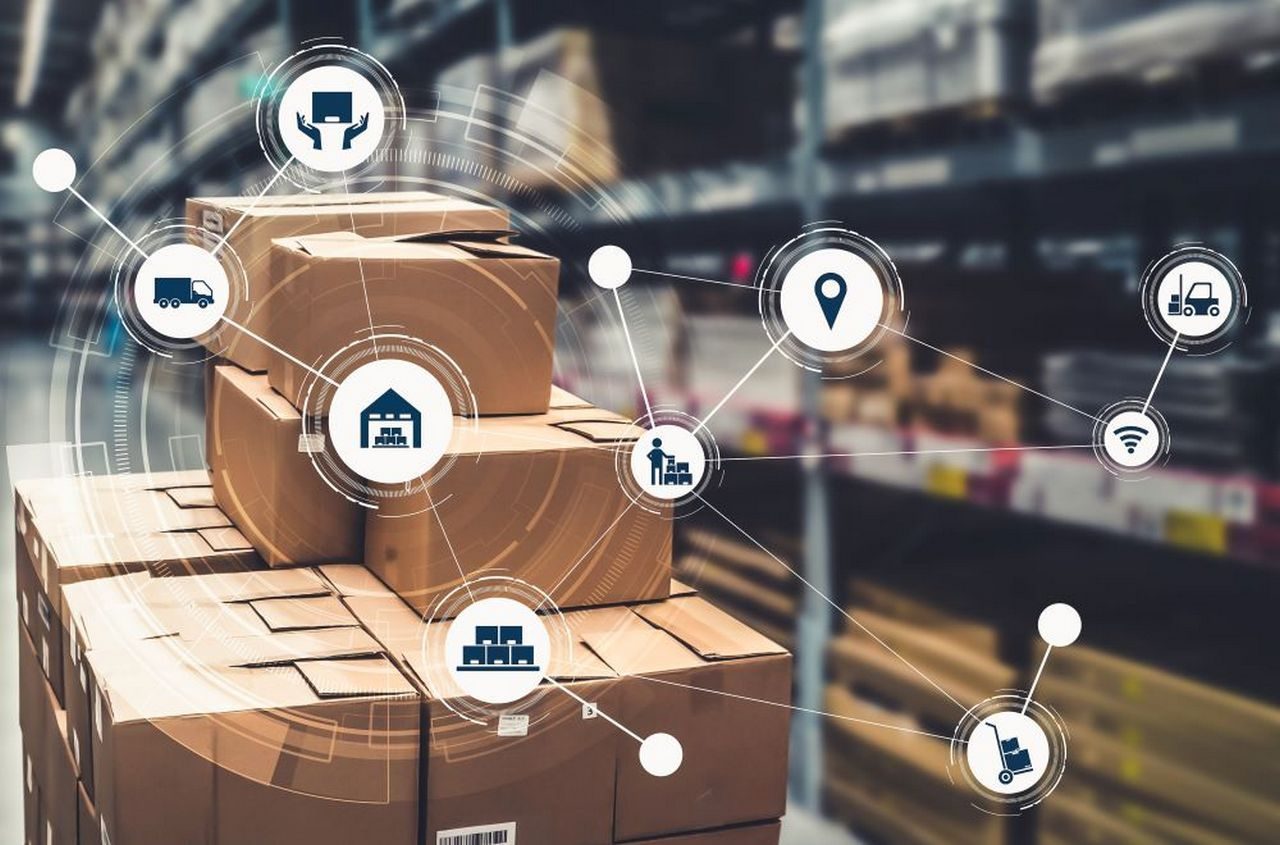
For years, many global supply chains were optimized mainly for cost and efficiency. That model looks weaker today. McKinsey’s 2024 survey found that nine in ten respondents faced supply chain challenges in 2024, while 73 percent reported progress on dual sourcing and 60 percent were regionalizing parts of their supply chains. At the same time, visibility deeper than Tier 1 remained a weak spot. Newer McKinsey research adds that many companies still know their exposure only up to the first supplier layer.
The pressure behind that shift is real. OECD research found that large natural disasters reduce annual export growth by roughly 6 percent in directly affected countries, showing how physical shocks can move quickly through production networks. The OECD’s broader resilience review argues for managing risk without retreating from trade itself, which is a practical point for OEMs and direct suppliers alike. Companies now have to balance cost, resilience, regulatory pressure, and regional capacity at the same time. That has made sourcing strategy far more strategic than it looked a decade ago.
Regionalization Does Not Mean the End of Globalization
A lot of companies now want shorter supply lines, more regional manufacturing, and faster recovery options. That does not mean the global model is disappearing. It means the footprint is being redesigned. McKinsey’s 2024 findings show that regionalization is advancing, yet firms are still building on global supplier ecosystems rather than replacing them outright. OEMs may keep final assembly close to demand centers while relying on globally distributed expertise for tooling, engineering, specialty materials, and critical subcomponents.
The World Economic Forum makes a similar point from a different angle. In its 2025 manufacturing discussion, it notes that companies have shifted from pure efficiency toward trade-offs among cost, performance, resilience, and sustainability. It also highlights how long it took to build today’s global supply chains in the first place. These systems were developed over decades, with each supplier layer requiring infrastructure, workforce capability, and process discipline. That is why serious footprint changes take time and careful sequencing.
The Best Partnerships Look More Like Shared Operating Systems
The strongest OEM and Tier 1 relationships now go beyond price and purchase orders. They depend on shared planning data, cleaner forecasts, earlier engineering reviews, tighter change control, and stronger visibility into the lower tiers. McKinsey reports that supply chain leaders are using advanced planning tools and showing rising interest in AI-based tools for supply planning and early warning systems. Those tools matter because they help companies spot weak signals before a disruption reaches the plant floor.
That is where the future of global production networks is heading. OEMs will continue to define the product, the market promise, and the long-range platform strategy. Tier 1 manufacturers will keep serving as the execution bridge between design intent and production reality. The companies that perform best will be the ones that treat this relationship as a disciplined partnership built on speed, transparency, technical depth, and shared accountability. In a manufacturing economy shaped by shocks, compliance pressure, and rising complexity, that partnership has become one of the most valuable assets a company can build.